
Nutrition Patterns That Support Longevity and Skin Health
When we think about healthy ageing, the conversation often turns to treatments, supplements, or lifestyle routines. However, one of the most well-established foundations of long-term health is dietary pattern.
A Mediterranean-style, low glycaemic, whole-food diet is associated with improved metabolic markers including blood pressure, cholesterol balance, insulin sensitivity, and inflammatory load. These markers influence more than internal health alone, they may also play a role in skin quality, resilience, and the visible signs of ageing.
Why Dietary Pattern Matters
Rather than focusing on a single “superfood” or short-term diet trend, longevity research often points toward consistent, balanced eating patterns over time.
A whole-food approach that includes minimally processed ingredients, fibre-rich carbohydrates, healthy fats, and nutrient-dense meals may help support:
metabolic health
energy regulation
inflammatory balance
overall wellbeing
This style of eating can also complement broader skin and wellness goals.
What Does a Low Glycaemic, Whole-Food Approach Look Like?
Choosing lower glycaemic index (GI) foods may help support steadier blood glucose levels throughout the day.
Foods to focus on include:
Whole grains such as barley and quinoa
Legumes including lentils and chickpeas
Vegetables such as broccoli and leafy greens
Fruit including berries and apples
Dairy such as yoghurt and milk
Healthy fats including olive oil, nuts, and seeds
These foods are generally less processed and provide a combination of fibre, nutrients, and more sustained energy release.
Foods to Limit More Often
Frequent intake of highly refined or high GI foods may contribute to more significant blood sugar fluctuations.
Examples include:
refined white bread and white rice
sugary drinks
processed snack foods
highly refined carbohydrates
This is not about complete restriction, but about recognising overall dietary patterns and aiming for balance where possible.
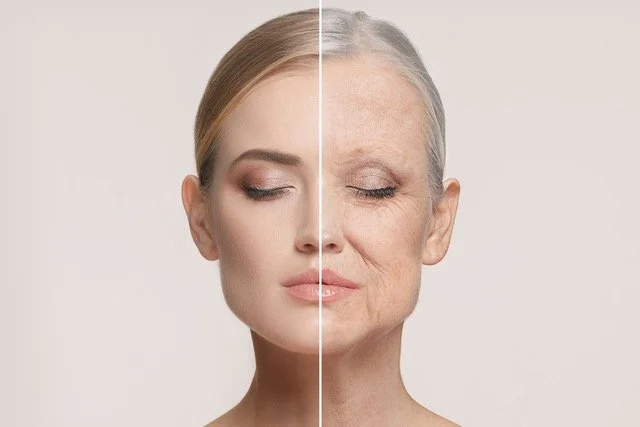
Why Sugar Spikes May Accelerate Skin Ageing
Elevated glucose can increase the formation of advanced glycation end products (AGEs). These compounds can affect collagen and elastin, which are important for skin firmness, structure, and repair.
Over time, this process may contribute to:
premature wrinkles
reduced skin firmness
impaired skin repair
Higher glucose levels may also contribute to oxidative stress and inflammation, which can affect the skin barrier and overall skin resilience.
The Connection Between Metabolic Health and Skin Health
Skin health is often influenced by internal processes. While topical skincare has its place, nutrition and metabolic balance may also contribute to how the skin looks and functions.
Supporting stable blood glucose levels and reducing frequent intake of highly processed foods may help support:
skin barrier integrity
collagen support
inflammatory balance
overall skin quality
A Practical Approach to Healthy Ageing
Healthy ageing does not need to be extreme or overly restrictive. In many cases, the most sustainable approach is also the most effective — consistent habits built around whole foods, balanced meals, and lower glycaemic choices where possible.
For many people, small changes made consistently over time can be a helpful place to start.
Looking for a More Personalised Approach?
If you would like support with skin health, metabolic wellbeing, or a more personalised longevity-focused approach, our clinic offers consultations tailored to individual needs and goals.
This information is general in nature and does not replace personalised medical advice. A consultation is recommended to determine individual suitability.